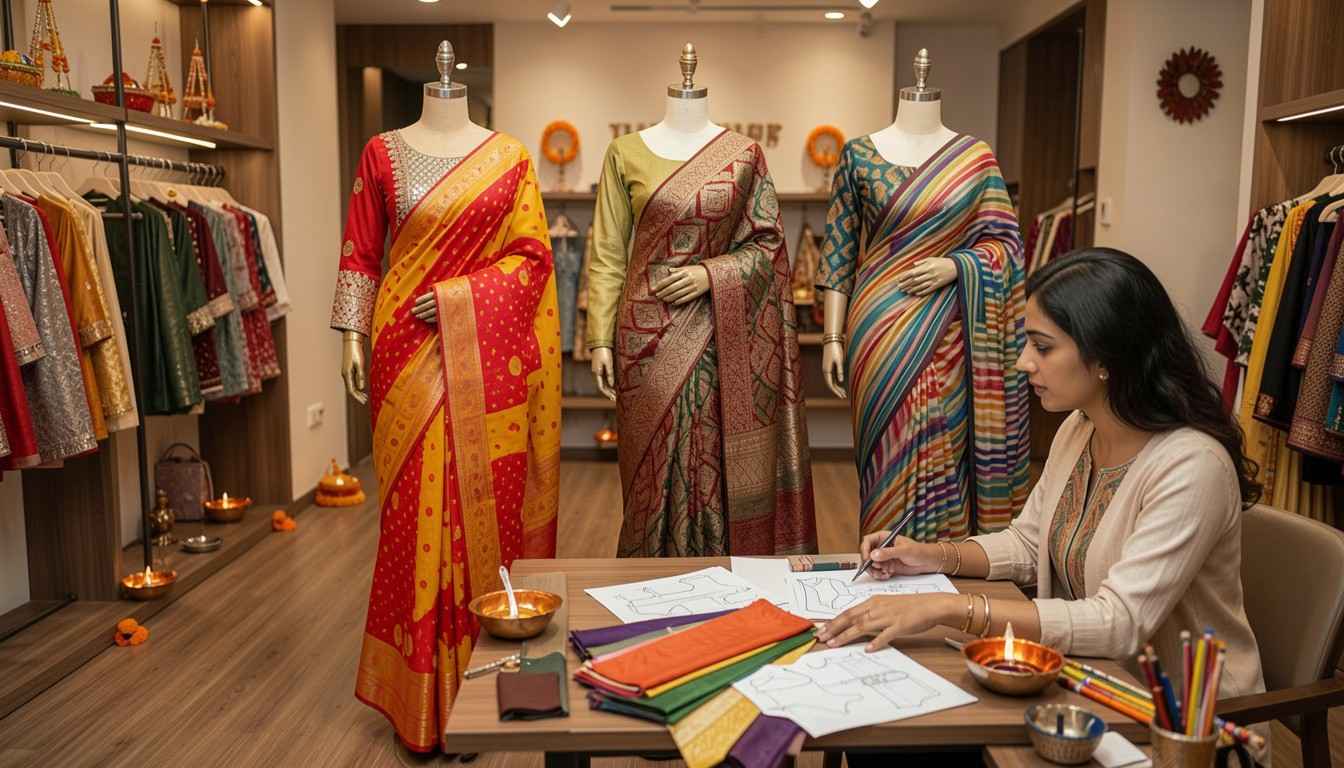
When your custom outfit is finally ready, the last fitting can feel like the end of a long journey. Yet, even at this stage, small changes can make a big difference to comfort, fit, and appearance. At Fashion Autograph, our goal is to help you feel confident and graceful in your Bridal Lehenga, Chaniya Choli, or any other outfit you choose. Knowing which alterations are reasonable after your final fitting can save stress, time, and money.
Understanding the Final Fitting
A final fitting is your chance to see your outfit in its near-complete form. At Fashion Autograph, we take precise measurements and make every outfit according to your preferences. While the major structure, embroidery, and silhouette are set, there are elements that remain adjustable.
Typically fixed at the final fitting:
- Major silhouette and cut
- Embroidery and embellishment placement
- Primary size and structure
Adjustable elements:
- Hemline adjustments for lehengas, chaniya cholis, and kurtis
- Minor blouse or bodice tweaks
- Dupatta length and draping options
- Comfort modifications like ease for sitting or dancing
Understanding this distinction ensures you request changes that are feasible without risking damage.
Reasonable Post-Final Fitting Adjustments
Even after your final fitting, some tweaks are common and safe. Here’s what you can realistically expect:
1. Hemline and Length Adjustments
Your lehenga or chaniya choli hem may need slight adjustment based on your chosen footwear. Shortening a hem by a few inches is generally safe, provided the embroidery is not disrupted. This ensures you walk comfortably and prevents tripping.
For kurtis or Salwar Kameez, minor hemming after final fitting is also standard. It helps if you change shoes or want a specific look for a festive or wedding event.
2. Blouse and Bodice Tweaks
Adjustments in the blouse or bodice include:
- Slight tightening or loosening for bust comfort
- Sleeve length or width modifications
- Back closure alterations for better fit
These changes are feasible without disturbing the overall design or embroidery. You can also explore how designer blouses can be styled with your lehenga or saree while keeping the fit perfect.
3. Waist and Hip Adjustments
Minor waist or hip adjustments are possible, especially for outfits with elastic or adjustable bands. These modifications help your outfit feel comfortable for extended wear, including dancing and moving around during wedding festivities.
4. Dupatta Drape or Length
Dupattas can be adjusted post-fitting for length or style of draping. Some brides prefer shorter or longer dupattas depending on personal comfort or event requirements. This tweak is often simple and ensures your outfit stays elegant.
5. Embroidery and Embellishment Realignment
Minor adjustments to sequins, beads, or embroidery are reasonable if they affect symmetry or comfort. However, heavy changes should be avoided after the final fitting as they may compromise the outfit’s design.
6. Event-Specific Tweaks
Occasion-specific tweaks like adding lining, adjusting pleats for sitting comfortably, or making movement-friendly changes are reasonable. These small changes can make a significant difference to your experience on the event day.
Changes That Are Usually Not Advisable
While some adjustments are safe, certain changes after the final fitting can damage the outfit or create imbalance:
- Major structural changes: Altering the core silhouette or size significantly is risky.
- Redesigning embroidery: Heavy embroidery layouts should not be moved post-fitting.
- Material substitutions: Changing fabric or embellishment materials after stitching is usually impossible.
- Drastic color changes: Altering colors or major patterns can damage the garment or result in mismatched sections.
Understanding these boundaries helps you maintain the integrity of your custom bridal lehenga and other outfits.
Timeline and Cost Implications
Minor Tweaks
- Turnaround time: 1–3 days
- Cost: Often included in final fitting service
Major Adjustments
- Turnaround time: 3–7 days, depending on complexity
- Cost: Charged based on labour, embroidery rework, and extra materials
At Fashion Autograph, we discuss possible changes and costs upfront. Clear communication ensures you are not caught off guard by last-minute adjustments.
Client-Boutique Communication: Setting Expectations
The key to smooth alterations is proactive communication:
- Before the final fitting: Discuss comfort, event schedule, mobility, and footwear.
- During the final fitting: Test walking, sitting, dancing, and dupatta draping.
- Checklist: Some boutiques provide a written alteration checklist, which ensures you both agree on what’s feasible.
For brides exploring bridal lehenga personalization, these steps are crucial to getting the look and feel just right.
Special Considerations for Bridal and Heavy Embroidery Outfits
Outfits with heavy embroidery or multiple layers, such as chaniya cholis or bridal lehengas, need careful planning for alterations:
- Avoid major embroidery adjustments
- Focus on hemline, waist, and lining adjustments
- Ensure movement comfort for long ceremonies and receptions
For brides, minor tweaks in chaniya cholis and lehengas enhance comfort without compromising design integrity.
Trends and New Standards for 2025–26
Designer boutiques are adopting new practices to make final fitting adjustments smoother:
- Flexible linings and hidden adjustable waistbands
- Digital measurement tools and virtual fittings
- Comfort-focused tweaks for active events
These practices ensure your outfit remains stylish, functional, and comfortable.
How to Work with Your Designer Boutique for Last-Minute Alterations
- Plan buffer days before your wedding to accommodate adjustments.
- Prepare a small emergency kit with buttons, safety pins, and seam tape.
- Accept minor compromises if time is limited, focusing on comfort and overall appearance.
This proactive approach ensures your custom bridal lehenga or outfit remains flawless on the day you need it most.
Conclusion
Final fittings mark the near-completion of your custom outfit, but reasonable alterations can enhance comfort, mobility, and confidence. Knowing what changes are safe and what is off-limits helps you communicate effectively with your designer and ensures your outfit looks perfect while keeping you at ease.
At Fashion Autograph, we guide our clients through these steps for bridal lehengas, chaniya cholis, salwar kameez, kurtis, and designer blouses. Our goal is a beautiful fit, timeless design, and your satisfaction for every special occasion.
FAQs
Q1. Is it normal to expect alterations after final fitting?
Yes, minor alterations like hems, dupatta length, or blouse fit adjustments are common.
Q2. What adjustments are safe for heavy embroidery outfits?
Hemline, waist, minor sleeve tweaks, and dupatta adjustments are safe. Avoid major embroidery changes.
Q3. Can hemming affect design balance?
If handled by an experienced boutique like Fashion Autograph, hemming is done carefully to preserve design symmetry.
Q4. How much time should I allow before the event?
At least 3–5 days for minor adjustments and up to a week for complex changes.
Q5. Are alterations free or charged?
Minor adjustments are often included; major changes may incur additional cost.
Q6. Can I request size changes after final fitting?
Only minor size changes are reasonable; major changes are not advisable.
Q7. Can heavy changes like silhouette or design modifications be done?
No. These are usually not feasible after the final fitting.
Q8. How to test comfort and mobility at final fitting?
Walk, sit, dance, and drape dupatta during your fitting to identify areas needing adjustment.
Q9. What should a boutique’s alteration policy cover?
Timeline, cost, types of safe adjustments, and limits on changes post-final fitting.
Q10. What last-minute fixes should every bride have?
Buttons, safety pins, seam tape, and a mini emergency repair kit.