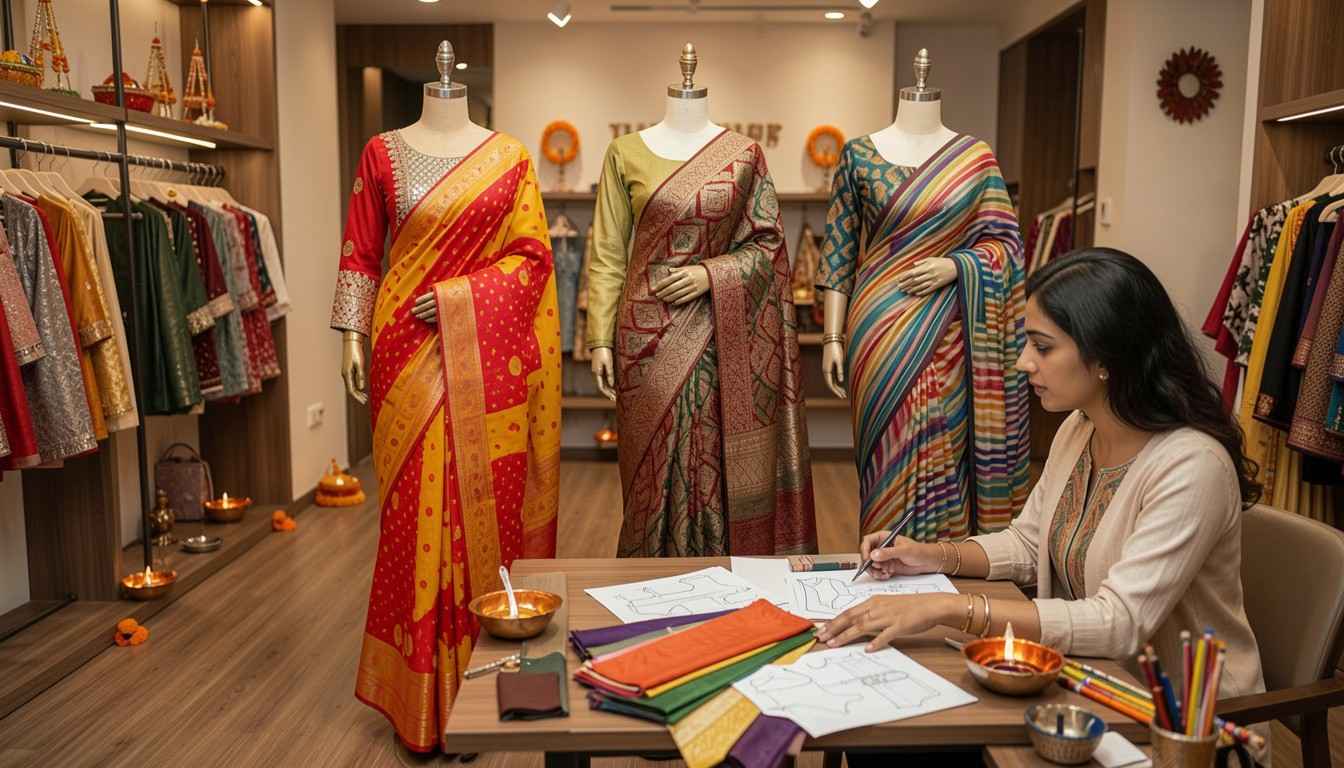
Heavy embroidery adds beauty, detail, and emotion to your outfit. You see it in bridal lehengas, festive chaniya cholis, designer blouses, and special salwar kameez sets. However, this beauty also needs thoughtful care. If you ignore proper washing, storage, and handling, embroidery can lose shine, threads can loosen, and fabrics can weaken.
At Fashion Autograph, every outfit is created under one label and one vision. Naimisha Munshi personally designs each garment to suit your needs, fabric choice, and embroidery style. Because these outfits carry handwork and detail, the right care helps you enjoy them for many years.
This guide explains how you can care for heavy embroidery at home, during travel, and for long-term storage. You will learn simple habits that protect your investment and keep your outfit ready for every special moment.
Why Heavy Embroidery Needs Special Care
Heavy embroidery includes handwork like zari, resham, mirror work, beads, pearls, sequins, and stones. These elements sit on delicate fabrics like silk, velvet, organza, georgette, and net. The weight of embroidery pulls on the fabric, and moisture or pressure can damage threads.
You often see such embroidery on bridal lehengas, reception blouses, festive chaniya cholis, and statement dupattas. If you own a piece from the designer bridal lehenga collection in Ahmedabad or detailed festive wear, you must treat it differently from daily clothing.
Know Your Embroidery Before Cleaning
Before you clean anything, pause and check the embroidery type and fabric.
Common embroidery styles include:
- Zari and zardozi work
- Resham thread embroidery
- Mirror and sequin work
- Bead and stone embellishment
Each reacts differently to water, heat, and pressure. For example, zari threads can dull with moisture, while beads may loosen with rough handling. If your outfit includes mixed handwork, always choose the gentlest care method.
If your outfit came from Fashion Autograph, you already benefit from thoughtful design choices that balance beauty and wear comfort. Still, care after wear stays in your hands.
Pre-Care Checklist Before Washing
Before any cleaning step, follow this simple checklist:
- Check for loose threads, stones, or beads
- Look for color bleeding by testing a hidden area
- Read any care notes shared during purchase
- Brush off surface dust gently with a soft cloth
If you notice loose work, avoid washing at home. In such cases, professional cleaning helps prevent damage.
Washing Heavy Embroidery Safely
Dry Cleaning or Home Cleaning
Dry cleaning works best for bridal lehengas, heavy blouses, and layered outfits. Choose a cleaner who handles bridal wear and hand embroidery. Avoid frequent dry cleaning because chemicals can weaken threads over time.
For lighter embroidered kurtis, dupattas, or salwar kameez sets, gentle home cleaning may work if embroidery allows it. You can explore styling and care ideas for lighter festive outfits in the designer salwar kameez collection in Ahmedabad.
How to Hand Wash Heavy Embroidery at Home
If hand washing feels safe, follow these steps:
- Use cold water only
- Add a mild liquid detergent
- Turn the outfit inside out
- Soak for no more than 5 minutes
- Gently press the fabric without rubbing
- Rinse with clean water
Never scrub embroidery. Never soak for long periods. These actions stress threads and stones.
What You Should Never Do
Avoid these common mistakes:
- Do not machine wash embroidered outfits
- Do not wring or twist the fabric
- Do not use bleach or strong stain removers
- Do not wash with regular clothes
These actions cause thread breakage, fabric stretch, and color loss.
Drying Heavy Embroidered Clothing
Drying plays a key role in embroidery care.
- Lay the outfit flat on a clean towel
- Keep embroidery facing upward
- Dry in shade and away from direct sunlight
- Change towels if fabric holds moisture
Never hang heavy embroidery while wet. The weight pulls threads and causes fabric distortion.
Ironing and Steaming Embroidered Outfits
Direct ironing damages embroidery and leaves marks.
Follow these safer methods:
- Turn the outfit inside out
- Place a thick cotton cloth on top
- Use low heat and press lightly
- Avoid embroidery areas
Steaming works better for heavy outfits. Hold the steamer at a distance and let steam relax wrinkles naturally.
If you wear statement blouses often, you may find useful pairing and care ideas in pairing designer blouses with modern sarees.
Storage Essentials for Heavy Embroidery
Clean Before Storage
Always clean your outfit before storing it. Body oils, sweat, and perfume cause fabric yellowing and thread damage over time.
Folding or Hanging
- Fold heavy lehengas and chaniya cholis
- Hang lighter kurtis or dupattas with padded hangers
- Avoid sharp folds at embroidery areas
For festive wear like garba outfits, see design and embroidery details in the chaniya choli collection in Ahmedabad.
Use the Right Storage Materials
Choose breathable storage:
- Cotton or muslin garment covers
- Acid-free tissue paper between folds
Avoid plastic covers. Plastic traps moisture and leads to mildew and dull threads.
Protect from Insects and Humidity
- Store in a dry, cool area
- Use natural repellents like neem leaves or cloves
- Avoid direct contact with repellents
Check stored outfits every few months and refold them to reduce pressure marks.
Long-Term Care for Bridal and Heirloom Pieces
Bridal wear carries memories, and good care keeps it ready for reuse or family keepsakes.
For bridal lehengas:
- Air the outfit every 6 months
- Change folds to avoid fabric stress
- Store dupattas separately
If your lehenga includes heavy handwork, learning about embroidery types helps. You may find guidance in mixing handcrafts like zardosi, mirror work, or resham embroidery.
Travel Care for Embroidered Outfits
Travel puts pressure on embroidery, especially during weddings and festivals.
Pack smart:
- Place embroidery between soft cotton layers
- Carry dupattas separately
- Avoid folding on heavy work
If you travel for weddings, helpful tips appear in destination wedding packing for bridal lehengas.
Always carry safety pins, matching threads, and small scissors for quick fixes.
Common Embroidery Care Mistakes You Should Avoid
Many outfits lose beauty due to small habits:
- Cleaning too often
- Hanging heavy skirts for long periods
- Ignoring loose embellishments
- Using metal hangers
Simple awareness prevents costly repairs.
When Professional Restoration Helps
Seek expert help if you notice:
- Stones falling frequently
- Thread discoloration
- Fabric pulling under embroidery
Designer-led restoration protects the original look. Since Fashion Autograph garments are created under one label, understanding of design and embroidery structure helps in careful repairs.
You can view past creations and embroidery detail in the Fashion Autograph work gallery.
Why Designer Guidance Matters for Embroidered Wear
Every embroidery pattern affects care needs. Placement, weight, and fabric choice guide how you wash and store the outfit. When one designer plans the full process, care becomes easier.
If you ever need guidance, you can connect directly through the Fashion Autograph contact page for care-related questions.
Final Thoughts
Heavy embroidery deserves respect and patience. With gentle washing, mindful storage, and regular checks, your outfits stay beautiful for years. Whether you wear a bridal lehenga once or repeat a festive blouse across seasons, good care keeps memories alive.
Fashion Autograph creates outfits meant to stay with you, not fade after one event. When you care for embroidery the right way, you protect both craft and story.