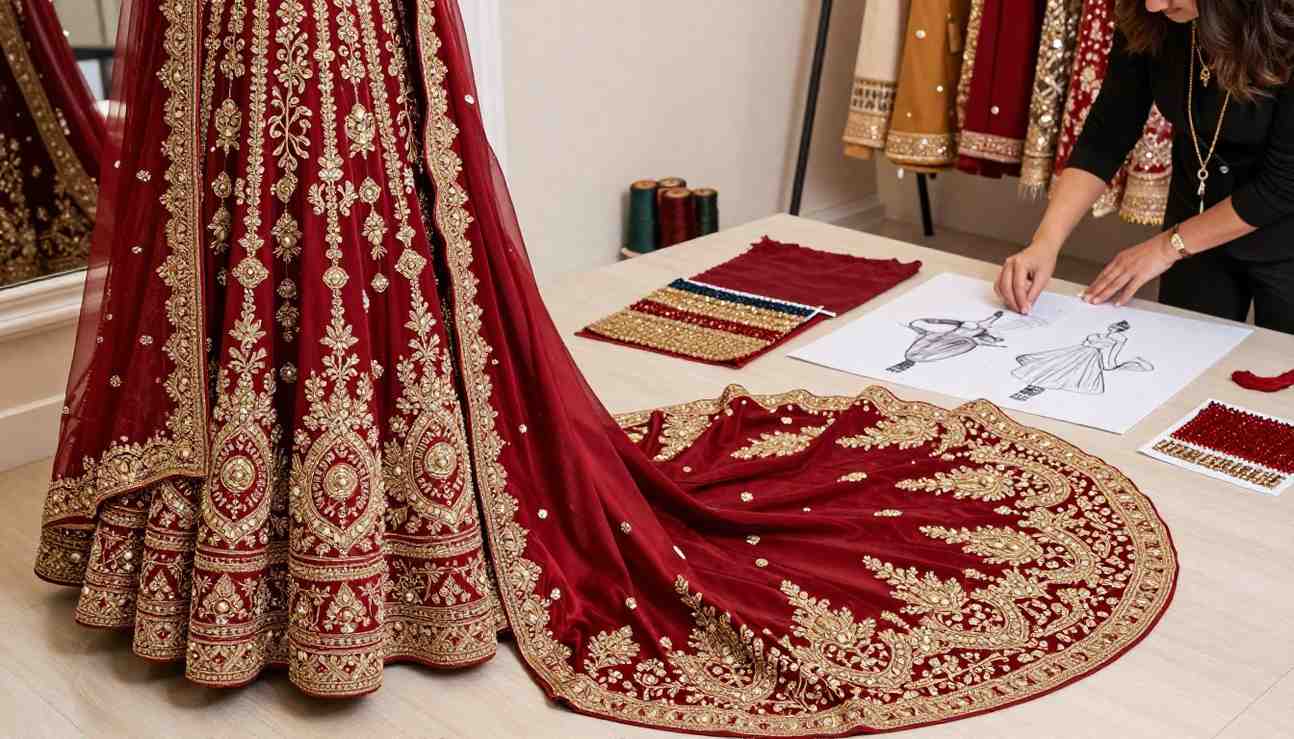
You receive a couture invoice and pause. The numbers look higher than expected. Several line items appear unfamiliar. You wonder what each charge really means and why custom fashion carries a certain price. If you have ever felt this way, you are not alone.
At Fashion Autograph, an Ahmedabad-based designer boutique owned and run by Naimisha Munshi, transparency matters. Every garment is created under the Fashion Autograph label, and every invoice reflects real work, real materials, and real human effort. This guide helps you read a couture invoice with confidence, so you know exactly what you are paying for and why it holds value.
This explanation applies whether you order a bridal lehenga, a chaniya choli, a designer blouse, or an Indo-Western outfit. Once you understand the structure, couture pricing starts to make sense.
Why Couture Invoices Feel Different From Store Bills
A couture invoice does not resemble a retail bill. You are not buying a finished product off a rack. Instead, you are paying for a process that begins from an idea and ends with a garment made only for you.
Retail pricing hides most costs behind a single tag. Couture pricing shows the layers. Each line item represents time, skill, and material used specifically for your outfit. That is why couture invoices often feel detailed and personal.
At Fashion Autograph, every invoice reflects the steps involved in creating a custom piece, from design planning to final fitting.
You can see examples of finished couture work in the Fashion Autograph work gallery, which helps connect the invoice to the final result.
What a Couture Invoice Actually Represents
A couture invoice represents three main elements:
- Materials
- Labor
- Time
These elements vary for every client because no two bodies, designs, or preferences are the same. Even two lehengas that look similar on the surface may involve different fabrics, embroidery density, or fitting work.
Unlike factory-made clothing, couture does not rely on repeated patterns or bulk production. Each garment starts from scratch, and the invoice records that journey.
Design and Concept Charges Explained
Most couture invoices begin with a design or concept charge. This covers the creative planning that shapes your outfit.
This stage includes:
- Design discussions
- Sketch preparation
- Fabric suggestions
- Embroidery planning
- Color coordination
You are paying for the designer’s experience and time spent understanding your needs. At Fashion Autograph, Naimisha Munshi personally designs every garment, which means your design fee reflects direct involvement, not delegated work.
For bridal clients, this stage is explained further in the custom bridal lehenga process.
Fabric Costs and Why They Vary
Fabric usually forms the base of your invoice. Couture garments often require more fabric than ready-made outfits due to flare, panels, and lining.
Fabric charges include:
- Main fabric
- Lining fabric
- Can-can or structural layers
- Dupatta fabric, if applicable
Prices depend on fabric type, weave, origin, and availability. Natural fabrics such as silk blends, organza, or specialty cottons cost more due to sourcing and quality.
If you are ordering festive wear like a chaniya choli, fabric choice affects both comfort and cost. You can learn more through this guide on the best fabrics for designer chaniya cholis.
Embellishments and Handwork Charges
Embroidery often forms a large part of couture pricing. This section of the invoice usually surprises first-time clients.
Handwork charges depend on:
- Type of embroidery
- Area covered
- Hours required
- Skill level of artisans
Techniques such as zardozi, mirror work, resham, or sequin embroidery take time. Artisans work by hand, often over many days, to complete a single panel.
Because this work is manual, designers calculate embroidery charges based on labor hours rather than fixed rates. That is why invoices may mention embroidery separately instead of rolling it into one price.
If you want insight into embroidery choices, read about mixing handcrafts like zardozi, mirror work, and resham.
Stitching and Construction Costs
Stitching is not a single step. It involves multiple stages, each requiring precision.
Construction charges include:
- Pattern making
- Cutting fabric panels
- Assembling sections
- Attaching embellishments
- Final finishing
Couture stitching differs from factory stitching. Artisans adjust seams, curves, and structure based on your body measurements. This work cannot be rushed or automated.
For garments like bridal lehengas, this process is explained in detail in the anatomy of a bridal lehenga.
Fittings and Alterations on the Invoice
Fittings ensure your outfit fits as intended. Couture garments often include multiple fittings, especially for bridal wear.
Fitting charges may cover:
- Trial fittings
- Adjustments after embroidery
- Final fitting before delivery
If changes occur after the design stage, the invoice may reflect additional work. This happens when clients request neckline changes, sleeve adjustments, or added detailing.
To understand what changes are reasonable late in the process, refer to alterations after your final fitting.
Time as a Cost Factor
Time plays a major role in couture pricing. Longer timelines allow artisans to work at a steady pace. Short deadlines require priority scheduling and additional labor hours.
Rush charges appear on invoices when:
- Events approach quickly
- Design approval delays production
- Extra hours are needed to meet deadlines
Time-based pricing reflects real scheduling pressure within the studio.
Why Couture Costs More Than Ready-Made Clothing
Couture pricing reflects individual attention. Ready-made garments spread production costs across hundreds of pieces. Couture spreads cost across one outfit.
Key differences include:
- One-time pattern creation
- Individual measurements
- Manual embroidery
- Limited material wastage reuse
This difference explains why couture feels expensive but delivers exclusivity and fit.
Clients who explore this path often start by understanding why custom designing is the future of fashion.
Common Couture Invoice Terms You Should Know
Understanding invoice language helps avoid confusion.
Some common terms include:
- Sampling: Test garment or design piece
- Mock-up: Practice version before final fabric
- Handwork hours: Time spent on embroidery
- Finishing: Final checks and detailing
- Trial garment: Fit-testing outfit
If any term feels unclear, designers expect questions. Transparency builds trust.
Costs You Do Not See Listed Clearly
Some costs do not appear as separate lines but still exist.
These include:
- Studio overheads
- Quality checks
- Design supervision
- Equipment maintenance
These factors support the final garment but stay behind the scenes.
Why No Two Couture Invoices Look the Same
Even within the same boutique, invoices vary. This happens because:
- Body measurements differ
- Fabric prices change
- Embroidery coverage varies
- Design complexity shifts
That is why comparing couture invoices across clients rarely gives a fair picture.
Red Flags to Watch for in Couture Pricing
While most designers operate fairly, awareness helps.
Be cautious if:
- The invoice lacks labor breakdown
- Embroidery costs seem unrealistically low
- Design charges remain vague
At Fashion Autograph, invoices aim for clarity so clients feel confident in their decisions.
How to Discuss Budget Without Compromising Quality
Budget conversations work best early. You can always adjust:
- Embroidery density
- Fabric selection
- Dupatta styling
- Color combinations
Designers help you find balance instead of cutting corners.
If you are planning bridal wear, this article on finding the right bridal lehenga designer helps set expectations.
How Understanding Your Invoice Improves Your Experience
Once you understand your invoice, you:
- Trust the process more
- Communicate better with the designer
- Appreciate craftsmanship deeply
Knowledge removes doubt and builds confidence.
Why Fashion Autograph Values Invoice Transparency
Fashion Autograph operates under one label and one designer. Naimisha Munshi oversees design, fitting, and final delivery. This direct involvement allows clear communication about pricing and process.
Clients value this clarity because they know where their investment goes. You can explore design categories such as bridal lehengas, chaniya cholis, Indo-Western outfits, and more on the Fashion Autograph website.
If you have questions about a specific invoice or project, you can reach out directly through the contact page.
Final Thoughts
A couture invoice tells a story. It records materials chosen for you, hours spent by skilled hands, and time invested to achieve fit and finish. Once you read it with understanding, the cost reflects effort rather than mystery.
Couture is personal. Your invoice should feel the same.