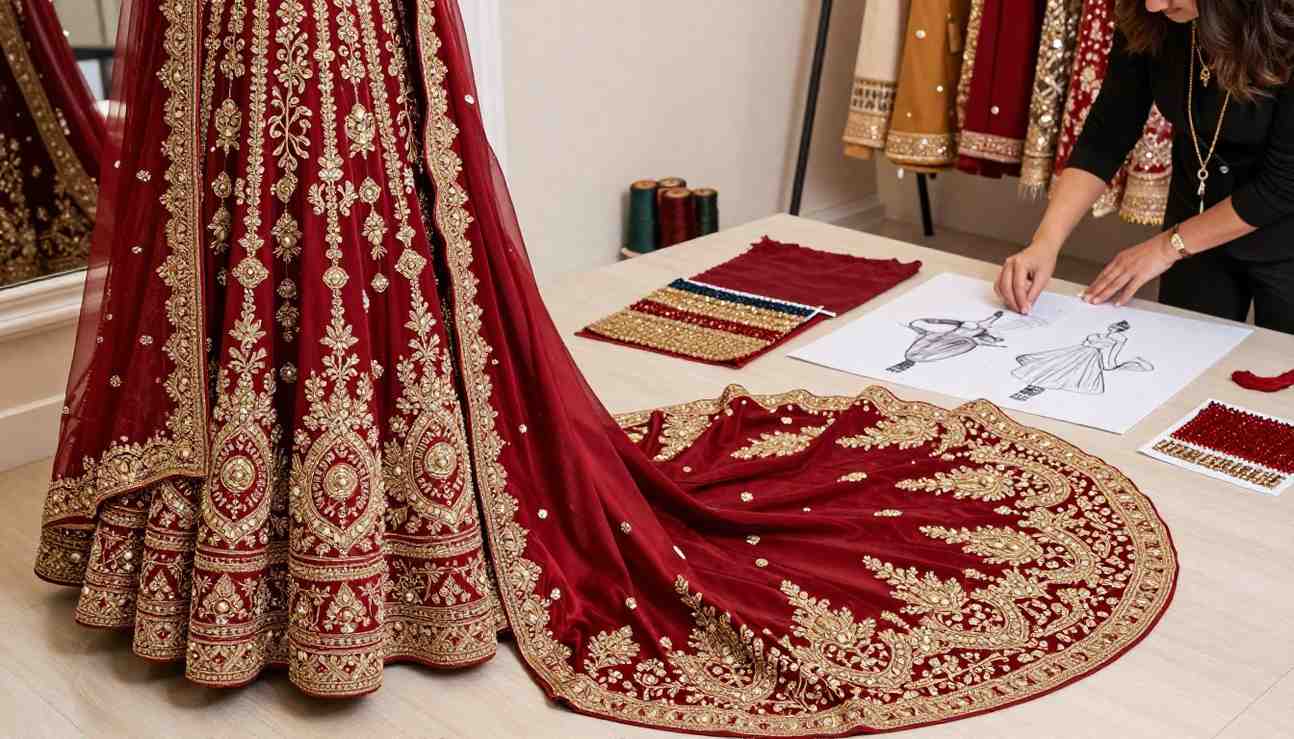
A bridal try-on appointment shapes how a bride remembers your brand. You are not only showing outfits. You are guiding a major decision that carries emotion, budget, family opinions, and long-term memories. If you stage the appointment well, you build trust, clarity, and comfort. If you rush or mismanage it, even strong designs can lose their impact.
At Fashion Autograph, every bridal consultation reflects one clear voice. Naimisha Munshi designs each outfit herself and guides brides through the process with structure and care. This approach helps brides feel confident while allowing the design to speak for itself. If you run a designer studio or boutique, you can follow similar principles to improve how brides experience try-ons.
This guide explains how you can stage a bridal try-on appointment that feels calm, focused, and professional.
Why Bridal Try-On Appointments Matter
A bridal try-on appointment is where decisions begin. You help the bride understand fit, silhouette, embroidery scale, and comfort. At the same time, you set expectations for timelines, pricing, and customization.
If you handle this stage well:
- Brides feel heard and respected
- Families feel involved but not overwhelmed
- You reduce confusion later in the process
Strong appointments also reduce repeated trials and last-minute changes.
Understand What Brides Expect From a Try-On
Before you plan the setup, understand the bride’s mindset.
You are working with someone who may feel excited, nervous, or unsure. She expects privacy, honest feedback, and patience. She also wants visual clarity. She needs to see how a bridal lehenga or blouse will look on her body, not on a hanger.
This applies whether you work with bridal wear or festive outfits like those seen in the designer bridal lehenga collection in Ahmedabad.
Prepare the Space Before the Bride Arrives
Create a Calm and Focused Layout
Your try-on space should feel clean and quiet. Avoid clutter. Avoid overcrowded racks.
You need:
- A private trial room
- A full-length mirror
- Side-angle mirrors if space allows
- Comfortable seating for family
Limit visible outfits to selected samples. Too many options distract and slow decisions.
Use Lighting That Helps Decisions
Lighting changes how embroidery and color appear.
Choose:
- Warm white lights
- Even lighting without harsh shadows
- Natural light if available
Avoid sharp white lights. They distort colors and make fabrics look flat.
Keep the Space Visually Organized
A tidy space shows professionalism. Fold dupattas neatly. Hang blouses properly. Arrange accessories in one place.
When brides feel relaxed in the space, they take better decisions.
Curate the Right Outfits for the Appointment
Choose Samples With Purpose
Do not pull out everything you own. Choose samples that match the bride’s preferences and event needs.
Include:
- One classic silhouette
- One modern option
- One comfort-focused option
This approach works well whether you offer bridal lehengas, Indo-Western outfits, or festive wear like those in the Indo-Western collection.
Use Supporting Pieces Thoughtfully
Bring:
- Trial dupattas
- Sample blouses or mock fits
- Footwear platforms for length
Avoid heavy jewelry during trials. It distracts from fit and structure.
Structure the Appointment Flow
Start With a Clear Welcome
Begin with a short conversation. Confirm:
- Wedding dates
- Event list
- Budget range
- Preferred styles
This step sets direction and saves time later.
Move Step by Step
A good flow looks like this:
- First trial to understand fit
- Second option to refine style
- Final option to confirm direction
Avoid letting the bride try too many outfits. Three to four trials usually work best.
Offer Styling Support Without Overdoing It
You guide the bride visually. However, you do not overpower her choices.
Dupatta Draping Matters
Show simple drapes that highlight the outfit shape. Avoid dramatic styles during trials. The bride needs clarity, not drama.
If you want guidance on how draping affects structure, content like how to pick the right dupatta for your salwar kameez offers useful insights.
Keep Hair and Necklines Visible
Ask the bride to tie her hair up. This helps her see neckline depth and blouse shape clearly.
This step matters for designer blouses, especially those similar to styles from the designer blouse boutique in Ahmedabad.
Handle Fit Conversations With Care
Sample sizes rarely match final measurements. You must explain this clearly.
Use simple language:
- Explain where changes will happen
- Explain how the final fit will feel
- Avoid body-focused comments
Focus on structure and comfort. When brides understand the process, anxiety reduces.
Manage Family Presence Without Losing Focus
Family opinions matter, but the bride’s comfort comes first.
Set expectations early:
- Invite one or two decision-makers
- Request focused feedback
- Redirect conversations gently
If opinions clash, bring the conversation back to the bride’s needs and event plan.
Respect Time Without Rushing
A bridal try-on appointment should feel unhurried but structured.
Ideal duration:
- 60 to 90 minutes
Keep buffer time between appointments. Rushing creates stress and confusion.
Take Clear Notes During the Appointment
Documentation helps you deliver exactly what the bride expects.
Record:
- Color preferences
- Fabric choices
- Embroidery likes and dislikes
- Fit concerns
Photos help too, if the bride agrees. This practice avoids misunderstandings later.
Set Clear Next Steps Before Ending
Before the bride leaves, confirm:
- Design direction
- Trial feedback summary
- Timeline for next steps
This clarity builds confidence and shows professionalism.
If you want brides to understand how the design process works, resources like what to expect in our custom bridal lehenga process help set the right expectations.
Common Mistakes Designers and Boutiques Should Avoid
Avoid these habits:
- Showing too many outfits
- Pushing trends over comfort
- Ignoring the bride’s body language
- Skipping clear explanations
Even strong designs fail if the experience feels chaotic.
Create a Signature Try-On Experience
Consistency builds trust. If every bride receives the same structured care, your brand gains a strong reputation.
At Fashion Autograph, one designer guides the process from first meeting to final delivery. This clarity helps brides feel secure.
You can view similar design journeys in the Fashion Autograph work gallery to understand how presentation supports craftsmanship.
Why Structured Try-Ons Build Better Brands
A well-planned bridal try-on appointment:
- Improves decision-making
- Reduces revisions
- Builds emotional connection
- Strengthens referrals
When brides feel calm and understood, they trust your guidance and your design.
Final Thoughts
A bridal try-on appointment is where design meets emotion. You control the pace, the space, and the clarity. If you stage it well, brides leave feeling confident and informed.
Fashion Autograph follows this approach through focused appointments, personal guidance, and clear communication. If you apply these principles in your boutique or studio, you create experiences that brides remember long after the wedding day.
If you want guidance or want to refine your own appointment process, you can always connect through the Fashion Autograph contact page.